Recycling and Sustainability — Commercial Waste Dulwich
Commercial Waste Dulwich is committed to creating an eco-friendly waste disposal area and nurturing a truly sustainable rubbish area in and around Dulwich. Our approach combines practical service design, collaboration with local partners and clear recycling targets to help businesses reduce environmental impact. We work with local property managers, retailers and hospitality venues to tailor collections, promoting source separation and reuse before disposal. This page explains our targets, local transfer arrangements, charity partnerships and low-carbon transport initiatives that support a circular economy for Dulwich commercial waste.Across the borough we aim to exceed municipal expectations by setting a clear operational goal: a 70% recycling percentage target for all commercial waste collected by our fleet by 2028. That target aligns with wider ambitions to expand landfill diversion and increase material recovery from the business waste stream. Our recycling percentage target is measured across key streams — dry mixed recycling, glass, food waste and textiles — and is tracked monthly so we can refine route planning and sorting processes to improve results.
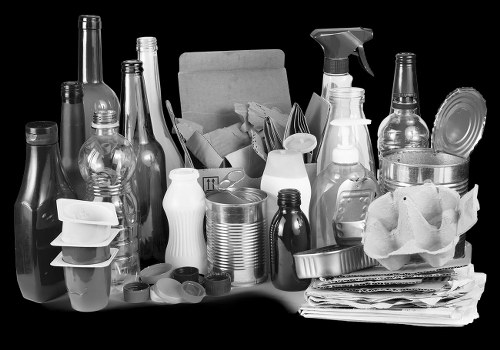
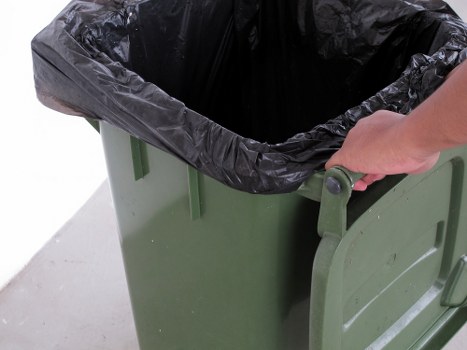 The wider borough approach to waste separation influences our service design. Southwark and neighbouring boroughs encourage separation of food waste, paper and card, glass and cans at source, and many commercial properties already provide segregated bins. We support these local systems by offering tailored collections that match the boroughs' approach to waste separation, including dedicated food-waste lifts, locked recycling cages for secure glass and segregated textile collections for reuse and recycling.
Local transfer stations and consolidation depots are central to an efficient, low-footprint operations model. We regularly use nearby facilities and borough transfer hubs to minimise driving distance and double handling of waste. By consolidating materials at transfer stations serving Southwark and adjacent areas, we improve sorting efficiency and maximise the proportion of material sent for recycling or energy recovery rather than landfill. These short transfer legs are key to creating an eco-friendly waste disposal area at scale for Dulwich businesses.
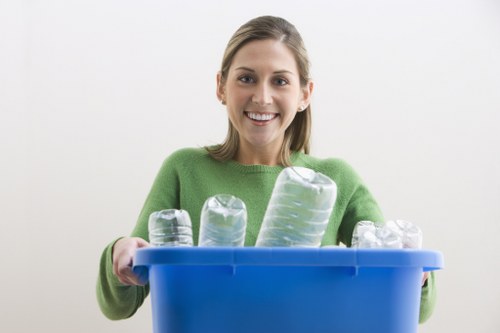 Partnerships with charities and social enterprises are a major part of our sustainability pathway. We coordinate reuse streams with local furniture reuse charities, food redistribution networks and community groups that accept office equipment and working electronics for refurbishment. By diverting usable items from the waste stream we reduce demand for new resources and support community benefit. Our commercial collections include routes dedicated to reusable textiles and bulky reuse items, with an emphasis on keeping good items in circulation rather than treating them as waste.
Our fleet strategy focuses on low-carbon vans and optimised logistics. We operate a mix of electric and hybrid vans for inner-Dulwich collections and deploy larger low-emission vehicles only where necessary. Route optimisation software reduces mileage and idling, while consolidation at transfer facilities reduces heavy vehicle street time. Low-carbon vans are part of the promise to deliver an authentic sustainable rubbish area. Benefits include:
- Lower tailpipe emissions across urban routes
- Reduced noise and air pollution near commercial centres
- Improved public perception of business waste management
Practical separation, audits and performance monitoring
Getting to higher recycling rates starts with simple, repeatable actions at source. We offer waste audits and training to help businesses segregate paper, card, mixed plastics, glass, cans, food waste and textiles effectively. Small changes — like introducing separate food caddies in kitchens, labelled bins behind bars and clear signage for front-of-house recycling — increase capture rates for recyclables. Our auditors model expected outputs and set pragmatic targets that feed into the overall 70% recycling percentage target.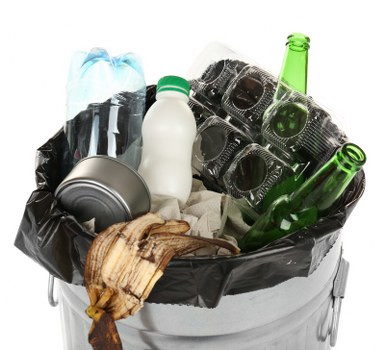 Reporting and transparency are central to accountability. Each client receives regular summaries showing tonnages by stream, progress against targets and suggestions for operational changes to lift performance. We document the route of material that leaves the site — transfer stations, sorting facilities and final outlets — so businesses can see the environmental outcome of their waste contracts. These reports also track carbon savings delivered by our low-carbon vans and consolidated transfer station usage.
How businesses can help create a sustainable rubbish area
To achieve a resilient, eco-friendly waste disposal area in Dulwich, businesses can adopt a few clear practices. Simple steps include: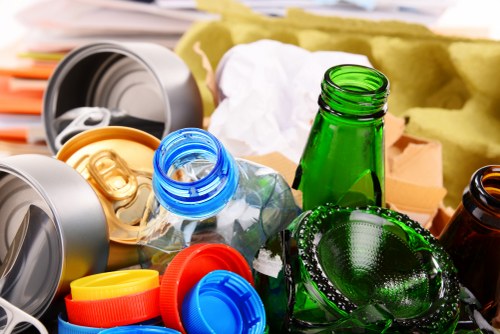
- Segregate at source: separate food, glass, paper and textiles to prevent contamination.
- Prioritise reuse: route reusable items to charity partners rather than disposal.
- Request audits: accept a practical waste audit to set achievable recycling improvements.
- Choose low-carbon collection: prefer suppliers using electric or hybrid vans for inner-borough routes.
