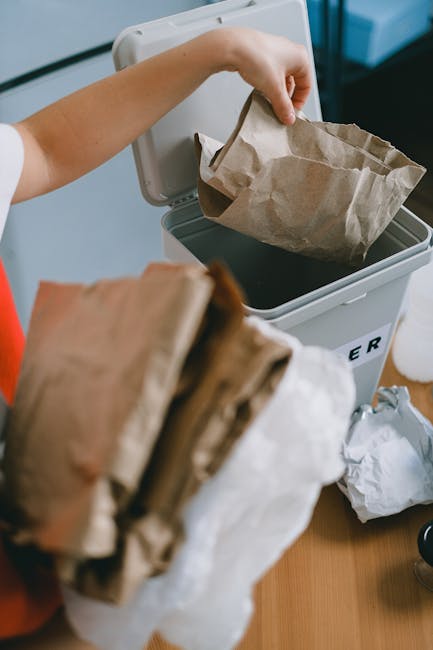
West Dulwich household rubbish removal guide SE21

If you are clearing a spare room, dealing with a tired sofa, or just staring at a growing pile of bags in the hallway, the job can feel bigger than it should. This West Dulwich household rubbish removal guide SE21 is here to make the process calmer, clearer, and much more manageable. We will walk through what household rubbish removal actually involves, how it works in practice, what to watch out for, and how to choose the right approach for your home.
West Dulwich homes come in all shapes and sizes: terraces with narrow front paths, flats with tight stairwells, family houses full of "I'll sort that later" clutter, and garden spaces that somehow collect bags, broken furniture, and old pots by the back gate. Truth be told, rubbish removal is rarely just about waste. It is about time, access, safety, and getting your space back without making the week harder than it needs to be.
Below, you will find a practical, local-minded guide to household rubbish removal in SE21, including useful comparisons, a step-by-step plan, a checklist, and answers to common questions people actually ask.
Why West Dulwich household rubbish removal guide SE21 Matters
Household rubbish builds up in ordinary ways. A broken chair sits in the corner. A few bags of decluttered items end up in the shed. Packaging from a home project stays "just for now". Then suddenly the situation turns into clutter you can't easily move, and the room stops feeling like a room.
In West Dulwich, that matters for a few practical reasons. Space is often at a premium, parking can be awkward, and many homes involve stairs, shared entrances, or limited access at the front. If you are trying to move bulky waste yourself, one awkward turn on a narrow stairwell can be enough to turn a simple job into a hassle.
Household rubbish removal also matters because different materials need different handling. General rubbish, electrical items, upholstered furniture, fridges, garden waste, and anything that may be considered hazardous should not all be treated the same way. It sounds obvious, but people often miss that point when they are rushing. And let's face it, once the bags start piling up, most of us want the quickest clean finish possible.
A sensible rubbish removal plan helps you:
- clear living spaces without clutter hanging around for days
- reduce lifting and carrying inside the property
- handle bulky or awkward items more safely
- avoid accidental contamination of recyclable material
- keep shared entrances, pavements, and drives tidy
It is not just about removing "stuff". It is about doing it in a way that fits the home, the street, and the people living there.
How West Dulwich household rubbish removal guide SE21 Works
For most households, rubbish removal follows a fairly simple pattern: identify what needs to go, group items by type, choose a removal method, and arrange collection or disposal. The practical details matter more than the headline.
Usually, the process starts with a visual sort. You look at what is being removed and decide whether it is:
- general household rubbish
- bulky furniture
- electrical or appliance waste
- garden waste
- mixed clear-out waste
- items requiring special handling
From there, you can decide whether the job is small enough for a single load, whether it needs a larger house clearance approach, or whether specific items should be booked separately, such as mattress and sofa disposal or fridge and appliance removal.
If the rubbish is mixed with furniture or comes from a deeper declutter, some households prefer a broader home clearance or house clearance service rather than juggling multiple smaller removals. That can be especially helpful when you want one clear-out visit rather than a series of half-finished weekends. No one loves those.
Many people also compare rubbish removal with skip hire. Both can work, but they suit different situations. A skip can be useful if you want time to load waste yourself, and it helps to review what can go in a skip before you decide. Household rubbish removal, on the other hand, is often better when you want the lifting, carrying, and transport handled for you.
In practical terms, the removal team or provider should explain what is accepted, how access will work, whether items need to be separated, and what the collection day will look like. Good communication upfront saves a lot of awkwardness later.
Key Benefits and Practical Advantages
The biggest benefit is simple: you get your space back. But there is more to it than that.
1. Less physical strain
Bulky bags, broken wardrobes, and old appliances can be heavy in ways people underestimate. A single mattress down a staircase is not a heroic DIY challenge. It is often just a back ache waiting to happen.
2. Faster results
A planned collection clears waste in one go instead of stretching the task over multiple days. That matters when you are preparing for guests, moving home, refreshing a room, or simply trying to stop the kitchen from becoming a storage zone.
3. Better sorting and disposal
When waste is handled properly, recyclable and non-recyclable materials can be separated more sensibly. This is one reason many people look for providers with a clear recycling and sustainability approach.
4. Cleaner access and safer surroundings
Loose bags left on paths or in shared hallways can become trip hazards. Timely removal keeps the home tidier and reduces the chance of damage or inconvenience to neighbours.
5. Better decision-making for mixed loads
If you are unsure what should be classed as general rubbish and what needs special handling, a structured service helps you separate the lot properly. That is especially useful for furniture, appliances, and anything fragile or awkward.
Expert summary: the best household rubbish removal solution is rarely the cheapest-looking one at first glance. It is the one that fits your waste type, access, timing, and level of effort you want to avoid.
Who This Is For and When It Makes Sense
This guide is useful for a wide range of West Dulwich residents. The common thread is that the waste is too much, too bulky, or too awkward for an ordinary bin collection.
You may need household rubbish removal if you are:
- clearing out a bedroom, loft, garage, or spare room
- replacing old furniture after a move or renovation
- getting rid of bags from a long-overdue declutter
- removing broken appliances, an old mattress, or a worn sofa
- sorting the aftermath of a garden tidy-up
- preparing a property for sale or rental
- helping a family member downsize
It also makes sense if the waste is physically difficult to move. A small pile of bags may not seem like much until you realise they are on the third floor and the lift is tiny, or that the front path is narrow and shared. That sort of thing changes the whole equation.
Household rubbish removal is not only for major clear-outs. Sometimes it is the right choice for one awkward item and a few extras. A broken wardrobe plus a mattress plus a pile of old packaging can be enough to justify a collection. No need to turn it into a month-long project.
If you have mixed items, you may also want to think about related services such as garage clearance, loft clearance, or flat clearance. Those pages are useful if your waste is tied to a specific part of the property rather than a general bag-and-box situation.
Step-by-Step Guidance
If you want the smoothest result, do the job in a deliberate order. That sounds obvious, but people often start moving things before they have sorted what actually needs to go.
- Walk through the property and identify the waste. Check lofts, cupboards, under stairs, garden corners, and the obvious gathering spots. Write it down. A list beats guesswork every time.
- Separate items into rough categories. General rubbish, furniture, appliances, garden waste, and anything questionable should be split early. If you find damaged or old electronics, set those aside rather than putting them in with mixed waste.
- Measure bulky items if access is tight. Stair width, doorway clearance, and turning space matter. A few quick measurements can prevent a painful surprise on collection day.
- Decide what can be bagged, stacked, or left as-is. Some items need wrapping or careful handling. Others can be left ready by the entrance. Keep walkways clear.
- Choose the right disposal route. For mixed household waste, a collection service is often easiest. For ongoing works or specific load types, compare other options carefully.
- Book in advance if the timing matters. If you need the property clear before a handover, family visit, or home improvement job, do not leave it to the last second.
- Prepare access on the day. Unlock gates, move cars if needed, and tell anyone else in the property what is happening. Small detail, big difference.
- Check the area after collection. Look for stray packaging, nails, shards, or spilled material. A quick sweep is worth it.
A useful habit is to prepare one "maybe" pile as well. Not everything needs to be decided instantly. If you are on the fence about an item, keep it separate for a day and look at it with fresh eyes. You will often realise it was never going to be used again.
Expert Tips for Better Results
Here is the stuff that tends to save time and hassle.
Keep soft furnishings separate from general rubbish. Sofas, armchairs, and mattresses are awkward because of their size and construction. If you know they are going, deal with them as a distinct category. It makes planning easier and avoids last-minute reshuffling.
Do not overfill bags. Overpacked black bags split easily, especially on stairs or in wet weather. A bag that is too heavy is not efficient; it is just annoying. And sometimes messy.
Think about wet weather. In London, a perfectly tidy pile can become a soggy nuisance by lunchtime. If collection is not immediate, cover items or keep them indoors where possible.
Use the opportunity to declutter properly. If you are paying for removal, it is often worth checking drawers, wardrobes, the cupboard under the sink, and the back of the shed. One honest sweep is better than three half-hearted ones.
Ask about special items early. Appliances, confidential papers, and anything potentially hazardous should be discussed before the day itself. For sensitive paperwork, a service like confidential shredding may be more appropriate than ordinary disposal.
Keep a clear path. It sounds almost too simple, but a straight, obstacle-free route from the item to the exit is one of the biggest time-savers there is.
One more thing: if you are clearing after a DIY job or decorating, do not mix household rubbish with rubble, plasterboard, or timber without checking what is acceptable. Waste streams matter. That is where people get caught out.
Common Mistakes to Avoid
Most problems come from rushing, guessing, or assuming every item can be treated the same way.
- Putting everything into one pile. Mixed waste sounds efficient until you need to separate it later.
- Leaving it until the day before a deadline. That is how simple jobs turn stressful.
- Forgetting access issues. A locked gate, parked car, or narrow entry can slow everything down.
- Ignoring special handling needs. Fridges, sofas, mattresses, and certain appliances are not standard rubbish.
- Using the wrong method for the job. A skip may suit a long project; a one-off collection may suit a quick clear-out. Picking the wrong route costs time and money.
- Not checking what the provider expects. Every service has boundaries, and good ones explain them clearly.
Another quiet mistake is assuming all "clearance" work is identical. A small flat, a family house, and a cluttered loft each create different access and loading challenges. A one-size-fits-all approach sounds neat. In real life, not so much.
Tools, Resources and Recommendations
You do not need fancy equipment for a household rubbish removal job, but a few practical tools make life easier.
- Strong refuse bags for loose household waste
- Gloves for handling dusty, sharp, or rough items
- Tape measure for bulky furniture and tight access points
- Marker pen or labels for separating what is staying and what is going
- Dustpan and brush for the final clear-up
- Protective wrap or old blankets for moving furniture without scratching walls or floors
If your waste is part of a wider property reset, a broader house clearance or home clearance can be more useful than piecemeal removal. If you are handling old furniture specifically, the dedicated furniture disposal page may also help you match the right service to the right items.
For people who want to understand disposal boundaries first, what can go in a skip is a helpful reference point even if you are not hiring a skip. It clarifies the broader idea of what belongs in mixed waste and what usually needs a separate route.
If you want a cleaner, more structured approach to pricing, timing, or booking, it is sensible to review pricing and quotes and then use book online when you are ready. Simple, no fuss.
Law, Compliance, Standards, or Best Practice
For household rubbish removal in London, the safest general approach is to follow recognised UK waste-handling best practice: sort responsibly, avoid fly-tipping, keep records where relevant, and make sure waste goes to legitimate disposal routes. If a service is handling the waste for you, it should be operating in a way that supports proper transfer, transport, and disposal.
It is sensible to be cautious with anything classed as hazardous, potentially harmful, or difficult to dispose of safely. That includes items such as certain chemicals, sharp materials, and some electrical or refrigerant-containing appliances. If you are not sure, ask before moving it. Guessing is rarely the clever option here.
Households also have a duty to avoid leaving waste in places where it can become a nuisance or safety risk, especially in shared spaces. In practical terms, that means not blocking hallways, not dumping items on pavements, and not assuming someone else will "deal with it later".
When choosing a provider, look for clear information on insurance, safety, and handling practices. Pages such as insurance and safety and health and safety policy are good signs that a company treats waste work as a proper operational task, not a casual lift-and-dump exercise.
For residents who care about where material ends up, a transparent approach to reuse and recycling matters too. That is where recycling and sustainability becomes more than a nice phrase. It shows that the goal is not only removal, but sensible disposal.
Options, Methods, or Comparison Table
There is no single best method for every home. The right choice depends on how much waste you have, how heavy it is, how quickly you need it gone, and how much effort you want to spend.
| Option | Best for | Pros | Watch-outs |
|---|---|---|---|
| Household rubbish collection | Mixed domestic waste, bulky items, one-off clear-outs | Fast, convenient, minimal lifting for you | Need to confirm what can be taken and how access works |
| Skip hire | Ongoing DIY, garden work, flexible loading over time | Useful if you want to load waste yourself | Requires space, can be less convenient for bulky lifting |
| Targeted item removal | One mattress, sofa, fridge, or appliance | Efficient for specific items | Less suitable for a mixed pile of rubbish |
| Full home or house clearance | Large declutters, moves, downsizing, probate-style clear-outs | Handles more of the property in one visit | May be more than you need for a small load |
In plain English: if you have one big sofa and a mattress, targeted disposal may be enough. If you have bags, broken bits, and a full room to clear, a broader domestic clearance route usually makes more sense. If you are going to be moving waste over several weekends, skip-style loading may be worth considering. Each has its place.
Case Study or Real-World Example
Imagine a typical SE21 household at the end of a long weekend. The spare room has become a storage room, the old desk is broken, there are five bags of mixed rubbish, two boxed printers, a mattress, and a wardrobe that has seen better days. Nothing dramatic. Just enough to be irritating every time the door opens.
The first instinct is often to tackle it in bits. One bag here, one shelf there, maybe dismantle the wardrobe later. But later keeps moving. The room stays half-finished. That is the trap.
A better approach is to sort the items into three clear groups:
- general household rubbish and bagged clutter
- bulky furniture and soft furnishings
- electronics and anything that may need separate handling
After that, access is checked, the items are grouped near the exit, and the removal is arranged in one go. The result is not just an empty room. It is the feeling that the job is actually done, which matters more than people admit.
That kind of clear-out is a good example of when a structured service beats trying to muscle through it yourself. Fewer trips. Less lifting. Less "where did I put that cable?" nonsense.
Practical Checklist
Use this before collection day.
- Walk through every room, loft, shed, and cupboard you want cleared
- Separate rubbish, furniture, appliances, and any special items
- Measure anything bulky or awkward
- Check stairways, lifts, doors, and gates for access issues
- Move cars or obstacles if they block the route
- Bag loose waste securely without overfilling
- Keep sharp, wet, or fragile items apart from general waste
- Confirm what is being removed and what is staying
- Protect floors, walls, and corners if needed
- Do a final sweep after the collection
Quick reminder: if you are unsure about a particular item, set it aside and ask rather than mixing it in. That small pause can save a lot of trouble.
Conclusion
Household rubbish removal in West Dulwich does not need to feel like a mini renovation project. With a clear sort, a sensible plan, and the right disposal route, you can turn a cluttered space back into something useful, calm, and much easier to live in.
The key is matching the method to the job. A single bulky item, a mixed domestic load, and a full property clear-out all call for slightly different thinking. Once you understand that, the whole process becomes far less stressful. And honestly, that is usually half the battle.
If you are planning a clear-out in SE21 and want a smooth next step, compare your options, check the access, and choose the route that saves you the most time and lifting. Simple as that.
Get a free quote today and see how much you can save.
Frequently Asked Questions
What counts as household rubbish removal in West Dulwich SE21?
It usually covers domestic waste that is too bulky, too mixed, or too awkward for normal bin collection. That can include bags of clutter, broken furniture, mattresses, appliances, and mixed clear-out waste.
Is it better to use a skip or a rubbish removal service?
It depends on the job. A skip can suit longer DIY or garden projects where you want to load waste yourself. A rubbish removal service is often better when you want the lifting, carrying, and transport handled for you.
Can household rubbish removal include furniture?
Yes, often it can. Sofas, chairs, tables, wardrobes, and similar items are common in household clear-outs. Some items may be handled more efficiently through dedicated furniture removal or disposal options.
What happens if I have a fridge or washing machine to remove?
Appliances usually need specific handling, so it is best to mention them early. Fridges, freezers, ovens, and washing machines are often dealt with as separate appliance removals rather than general rubbish.
How should I prepare for collection day?
Sort items into categories, clear a path to the exit, make access easy, and keep anything you are not removing well away from the collection pile. A little prep makes the whole thing far smoother.
Do I need to separate recyclable waste?
It is a good idea to separate materials where possible. Recyclables, mixed rubbish, furniture, and appliances are easier to manage when grouped sensibly. It also helps the waste be handled more responsibly.
What if I live in a flat or upstairs property?
That is very common in London and it usually just means access needs a bit more thought. Stair widths, lifts, and shared entrances should be checked before the job is booked.
How do I know if something is hazardous?
If an item could leak, spill, burn, corrode, or otherwise pose a risk, treat it carefully and ask before moving it. Do not assume it can go with ordinary household rubbish.
Can I put old boxes and packaging with my rubbish?
Usually yes, if they are clean and not mixed with other materials that make them unsuitable. Flattening boxes can help save space and make sorting easier.
Will a rubbish removal service take everything in one visit?
Often, yes, if the items are suitable and access is straightforward. But there can be exclusions for certain waste types, so it is worth checking in advance rather than assuming every item will be accepted.
How do I avoid overpaying for a clear-out?
Know roughly what needs removing, separate anything that requires special handling, and get clear about the scope before booking. If you have a mixed load, details matter. That's the honest answer.
What is the best way to clear a room full of clutter quickly?
Sort into keep, donate, recycle, and remove. Then arrange the waste removal in one go rather than trying to tackle it item by item over several days. Quick wins are good; half-finished rooms are not.